[wprevpro_usebadge tid="1"]

Should You Be Servicing Your Timing Belt & Clutch At The Same Time?

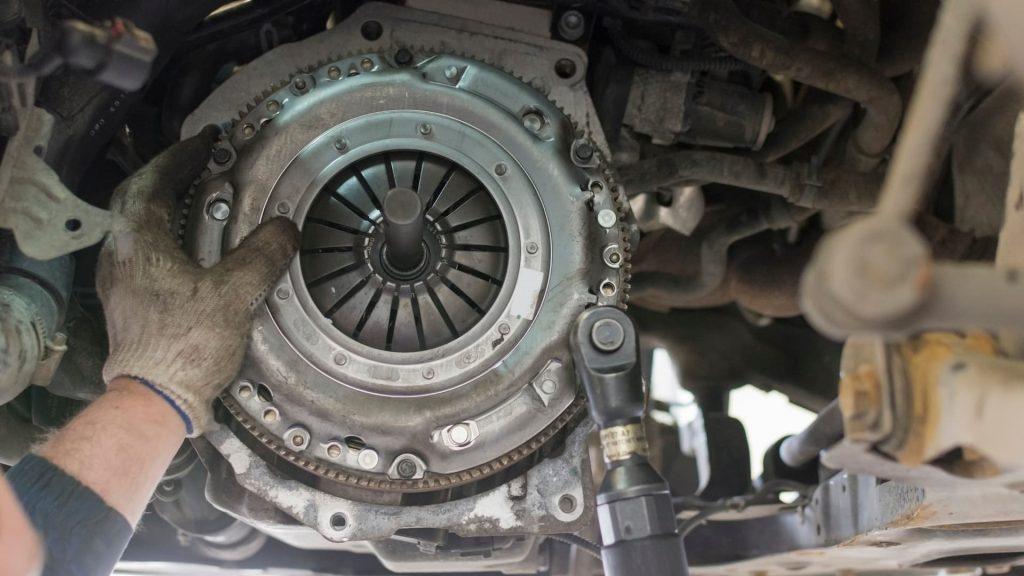
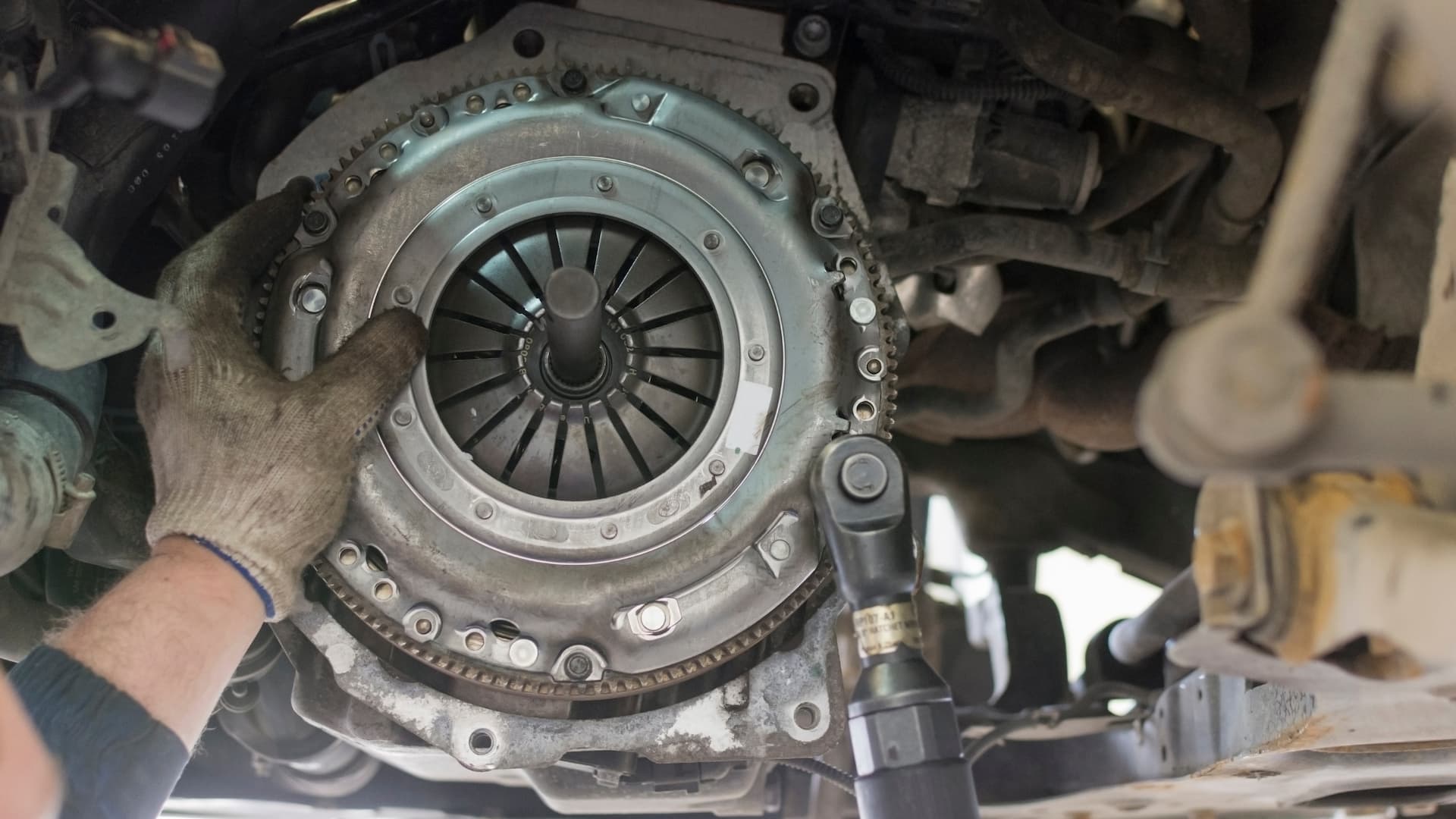
Mechanic fitting replacement clutch
It’s a question we’re asked fairly regularly: if your car is due a timing belt replacement and the clutch is starting to feel worn, does it make sense to deal with both at the same time? On the surface, it sounds logical. Both are major components. Both involve labour. Both can be expensive if they fail. But the reality is a bit more nuanced. In this guide, we’ll explain what each part does, when they typically need attention, and whether combining the jobs is actually worthwhile.

What Does A Timing Belt Do?

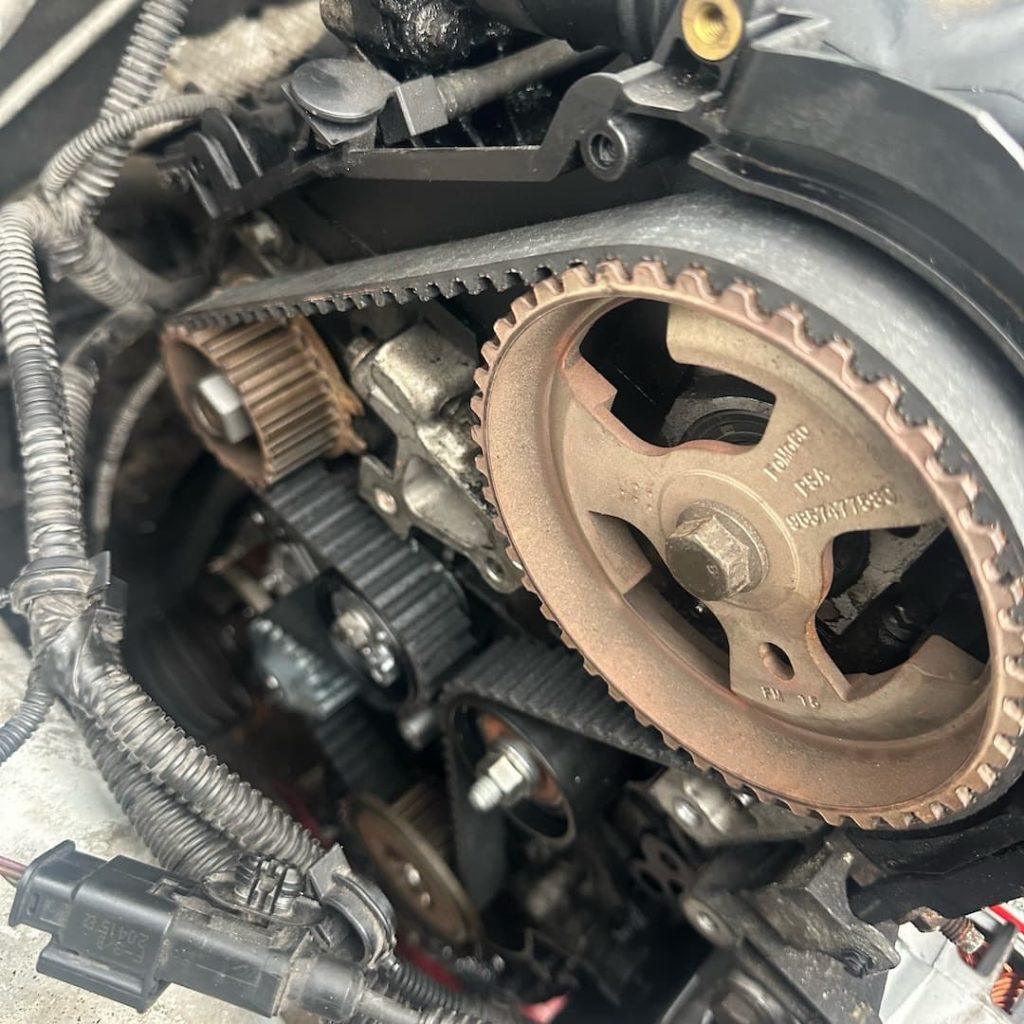
Your timing belt plays a critical role in how your engine runs. It synchronises the rotation of the crankshaft and camshaft, ensuring the engine’s valves open and close at exactly the right time during each cylinder’s cycle.
If the timing belt fails, particularly in an interference engine (which most modern vehicles are), the pistons and valves can collide. This often results in severe engine damage and very costly repairs.
Most manufacturers recommend replacing the timing belt somewhere between 60,000 and 100,000 miles, or after a certain number of years, whichever comes first. The exact interval depends on the make and model, so it’s always important to follow the manufacturer’s guidance.
Timing belt replacements are considered preventative maintenance. You don’t wait for them to fail, you replace them before they become a risk.

Signs Your Timing Belt May Need Attention

Unlike many other parts, timing belts don’t always give clear warning signs before failure. That’s why sticking to mileage and age intervals is so important.

However, potential signs can include:

The problem is that many belts fail without obvious symptoms. This is why servicing schedules matter.
Car timing belt

What Does A Clutch Do?

The clutch is part of your vehicle’s transmission system. It allows you to smoothly engage and disengage power from the engine to the gearbox, enabling gear changes. Unlike the timing belt, which operates inside the engine, the clutch sits between the engine and gearbox. It’s a completely separate system. Clutches wear gradually over time due to friction. How long they last depends heavily on driving style, type of vehicle, and usage. Some last well over 100,000 miles. Others wear out much sooner, particularly in stop-start town driving or on vehicles used for towing. Light commercial vehicles and vans often experience more clutch wear due to heavier loads and more demanding use.

Signs Your Clutch May Be Worn

Clutch wear tends to be more noticeable than timing belt wear. Common signs include:
Unlike a timing belt, a worn clutch usually gives progressive warning before complete failure.
Mechanic fitting replacement clutch

Are The Timing Belt & Clutch Connected?

No. Mechanically speaking, they are completely separate components. The timing belt is located at the front or side of the engine and is part of the engine’s internal timing system. The clutch sits between the engine and gearbox and requires gearbox removal to replace. Because they’re in different areas of the vehicle and require different access points, replacing one does not automatically mean the other is accessible.

Is There Any Labour Overlap?

In most vehicles, there is very little labour overlap between a timing belt replacement and a clutch replacement. A timing belt job typically involves removing covers, auxiliary components and possibly engine mounts to access the belt system. A clutch replacement requires removal of the gearbox, driveshafts and related components. They are separate jobs requiring different dismantling procedures. That means doing both together does not usually reduce labour in a significant way. However, every vehicle is different. On certain models, there may be minor efficiencies if both jobs are required at the same time. But this is not the norm.

When Might It Make Sense To Do Both?

There are situations where it could be sensible to consider both at once.

If your vehicle is high mileage and:

In this scenario, tackling both jobs close together can provide peace of mind and reduce the likelihood of facing another major repair soon after. For van owners and light commercial users who rely on their vehicles daily, minimising downtime can also be a consideration. Scheduling major work together can mean fewer separate repair appointments.

When Is It Unnecessary?

If your timing belt is due but your clutch is operating perfectly with no signs of wear, there is usually no reason to replace the clutch pre-emptively. Similarly, if your clutch has failed but the timing belt is well within its service interval, there’s typically no need to replace it early. Replacing parts that are not worn simply for convenience rarely offers real savings. Preventative maintenance is sensible. Premature replacement without evidence of wear is not.
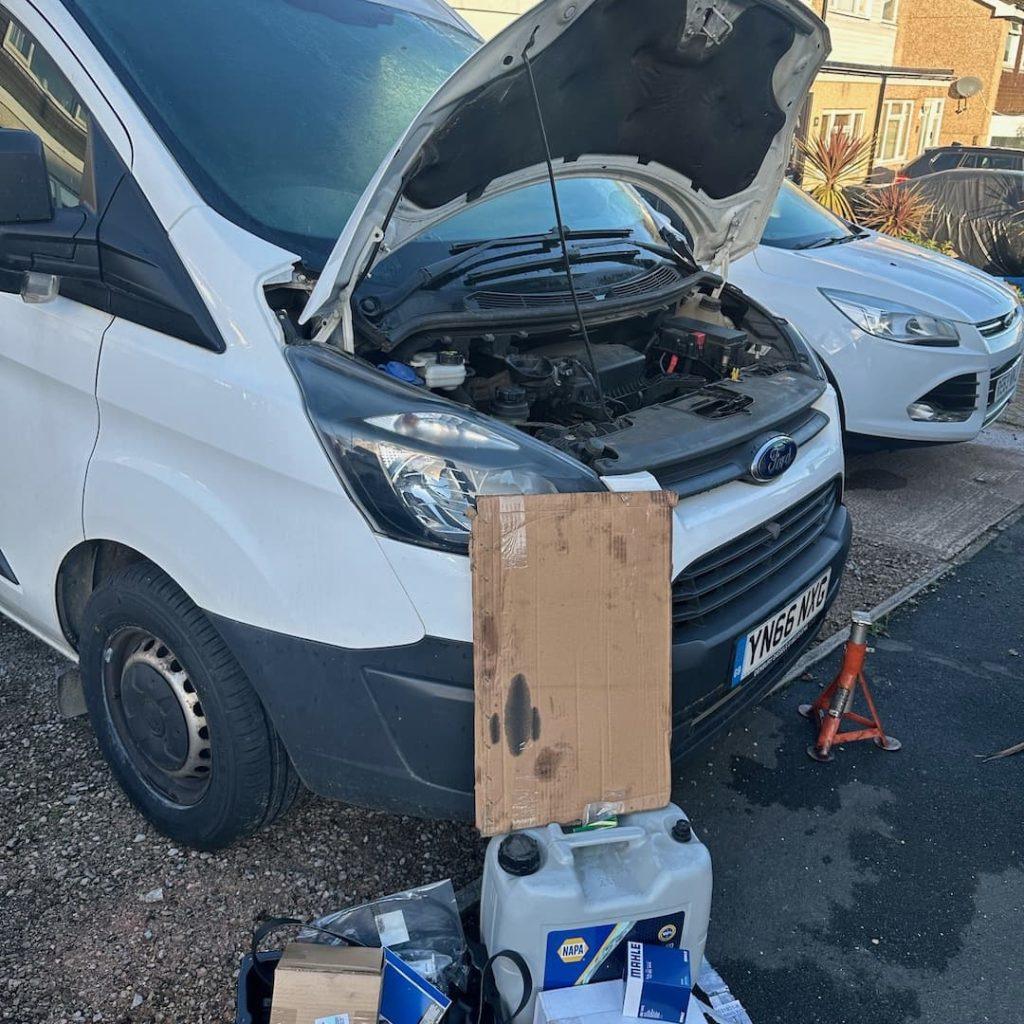
Van having a vehicle service

So, Should You Service Both At The Same Time?

In most cases, no they do not need to be serviced together. They are separate systems, require different labour procedures, and are replaced based on different criteria. However, if both are genuinely due, or your vehicle is at higher mileage and showing signs of wear in both areas, it may be worth discussing with a qualified mechanic to plan the work sensibly. The key is an honest assessment rather than assumption.

Contact Curbside Repairs Today

Whther you’re looking for a clutch repair, or timing belt replacement, or both – get in touch with the team at Curbside Repairs today.

Share: