Few things are more frustrating than getting ready to leave and finding your car won’t start. It often happens without warning, leaving you stuck on your driveway or outside your home with no clear idea what has gone wrong.
In many cases, the issue is something relatively straightforward, but without the right tools or experience it can be difficult to diagnose. Understanding the most common causes can help you get a better idea of what might be happening and what to do next.
A Flat Or Weak Battery
One of the most common reasons a car will not start is a flat battery. This can happen if the car has been left unused for a period of time, especially in colder weather, or if something has drained the battery overnight.
You might notice the engine struggling to turn over, a clicking sound when turning the key, or no response at all. In some cases, dashboard lights may still come on, which can make it less obvious that the battery is the issue.
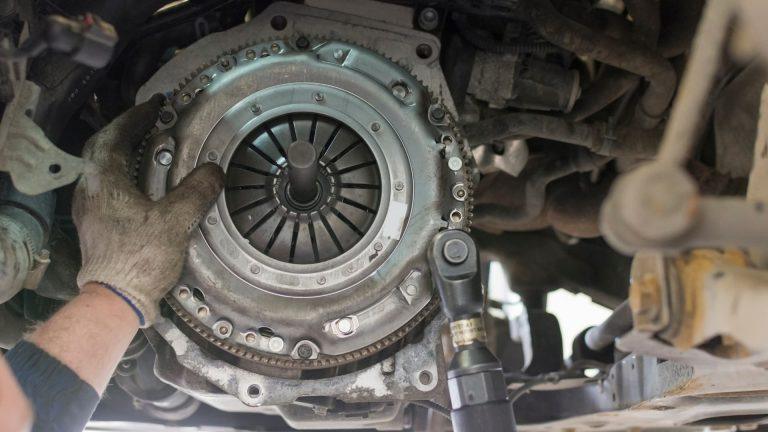
Starter Motor Problems
If you turn the key or press the start button and hear a single click, or nothing at all, the starter motor could be at fault.
The starter motor is responsible for turning the engine over. When it begins to fail, it can become intermittent before stopping completely. This often leads to situations where the car starts fine one day and not at all the next.
Fuel Delivery Issues
Your car needs a steady supply of fuel to start and run properly. If there is a problem with the fuel pump, injectors or fuel lines, the engine may turn over but fail to start.
In some cases, this can feel like the car is trying to start but never quite catches. It can also happen suddenly, even if the vehicle was running normally the last time it was used.
Electrical Faults
Modern vehicles rely heavily on electrical systems, and even a small fault can prevent the car from starting.
Issues with sensors, wiring or control units can interrupt the starting process. These types of problems are not always visible and often require diagnostic equipment to identify properly.
Immobiliser Or Key Issues
If your vehicle has an immobiliser system, a problem with the key or security system can stop the engine from starting altogether.
You may notice warning lights on the dashboard or that the car does not respond as expected when you try to start it. This is more common with keyless systems or vehicles with more advanced security features.
What You Can Check Yourself
If your car will not start at home, there are a few simple things you can check before calling for help.
- Make sure the battery connections are secure and that nothing has been left on inside the vehicle.
- Check that there is fuel in the tank and that the car is in the correct gear or park position.
While these checks will not solve every issue, they can help rule out some of the more straightforward causes.
Why A Mobile Mechanic Can Help
When your car will not start at home, getting it to a garage is often the biggest challenge. This usually means arranging recovery, waiting for collection and dealing with additional costs before the problem is even diagnosed.
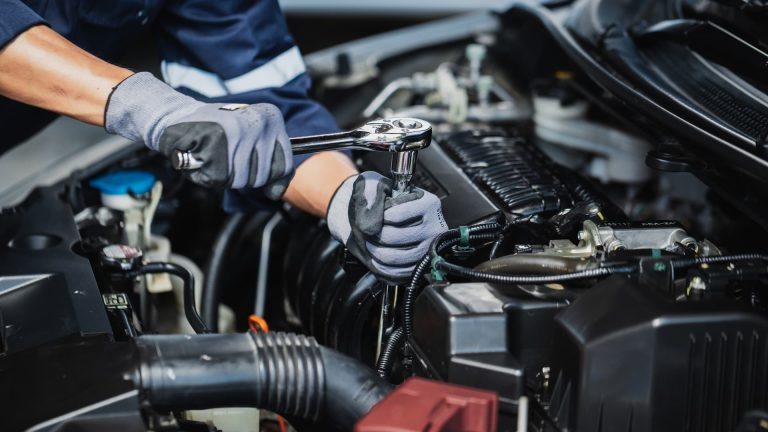
A mobile mechanic can come directly to you, assess the issue on site and, in many cases, carry out the repair straight away. This saves time, avoids unnecessary recovery fees and gets you back on the road faster.
When To Get It Checked
If your car has stopped starting or is becoming unreliable, it is best not to ignore it. Problems like these rarely fix themselves and often get worse over time.
Getting the issue diagnosed early can prevent further damage and help avoid more costly repairs later on.
Need Help Getting Your Car Started
If your car will not start at home or has become unreliable, we can come out and take a look. At Curbside Repairs, we carry out mobile diagnostics and repairs across the local area, helping you get back on the road without the need for recovery or a garage visit.